
Regenerative Places: Empowering communities to improve homes and neighbourhoods for the benefit of people and planet.听
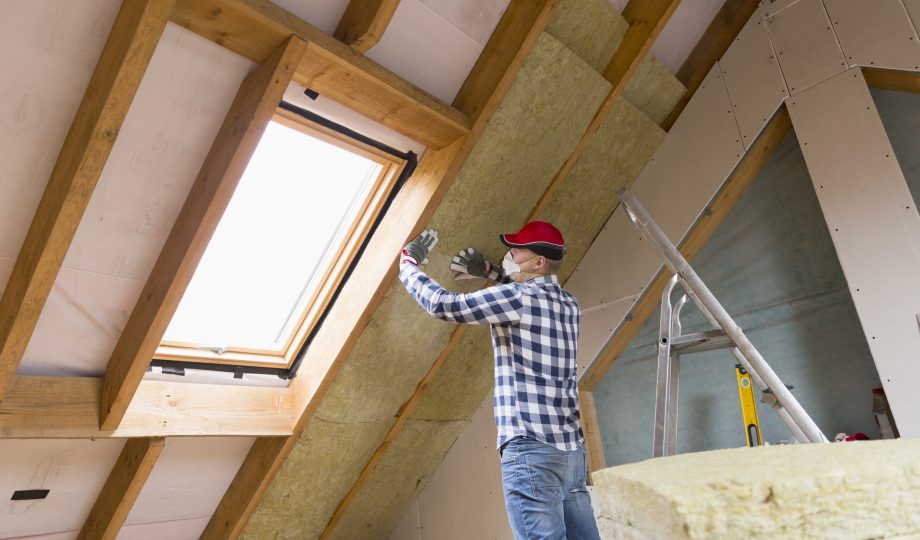

As autumn draws in, and winter approaches, many people鈥檚 thoughts are turning to the big question – 鈥榟ow long can I last before I have to put the heating on?!鈥�
For those of us lucky enough to be able to afford our heating bills, despite the recent sharp rises, this thought is perhaps more of an inconvenience, or a self-inflicted endurance challenge, or motivated by not wanting to add GHG emissions to the atmosphere by turning up the thermostat and getting the gas boiler going again.
However, for many people, this thought fills them with dread 鈥� how long before I have to start choosing between whether to eat or heat my home? How long before the kids start complaining that they can鈥檛 sleep because it鈥檚 too cold? How long before I have to start washing the black mould off my windows and walls?
In 2024, this is a shocking state of affairs, and what鈥檚 more, it really does not have to be this way. We, as an industry have the technology and the know-how to upgrade the majority of these homes and turn them into warm, comfortable, affordable places to live. Places where no one needs to feel cold at best, and worst die of preventable respiratory diseases, as we saw in the tragic case of 4 years ago 鈥� a little boy who died from breathing in black mould every day of his short life.听
What鈥檚 more, retrofitting our homes and neighbourhoods can also offer multiple 鈥榗o-benefits鈥� such as: reducing costs to the NHS of poorly insulated, damp homes; improving health and wellbeing; reducing the load on local energy systems, and creating local green jobs and supply chains.
That鈥檚 why we鈥檙e enormously excited and proud to launch UKGBC鈥檚 new 鈥�Regenerative Places鈥� Programme, which has home retrofit at its heart.
What do we mean by 鈥楻egenerative鈥� places?
The terminology is drawn from and thinking around how we need to shift from ‘sustainability’ to a more regenerative, integrated approach, encouraging the need to look beyond reducing negative impacts, improving efficiency, and being 鈥榣ess bad鈥�, to having a positive impact on society and our environment.听听听
We use the term 鈥淩egenerative鈥� as our North star, guiding our work to set the level of ambition, and the necessary shift in mindset. We emphasise that while current projects may not immediately demonstrate regenerative traits, we are inspired by the , which we are using听 as a way of mapping how a shift could take place from the established patterns of the first horizon (business-as usual) to the beginning of new patterns and emerging future in the third horizon. Disruptive innovations and industry actions of the second horizon will be crucial to make the shift from the current system to the emerging future a successful one. The diagram below illustrates this in a bit more detail.听


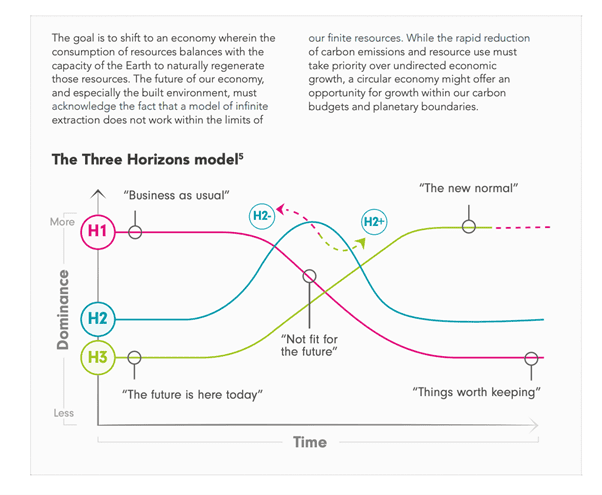
UKGBC envisions鈥痶he Programme setting out our own 鈥淗orizon 3鈥� 鈥� a shared vision of an emerging future that has positive, regenerative impacts on people, planet, and place.
So, what might this mean in practice, and how does it relate to home retrofit?
Our new Programme will work in partnership with the (MCSF) to support and draw learnings from their new Local Area Retrofit Accelerator (LARA) pilot. Through this pilot, four places (in England initially) are being supported to develop 鈥楲ocal Retrofit Strategies鈥� for their area. These strategies will take a systems-led approach and be place based, collaborative and locally led. We had the first of the LARA pilot workshops with our first 鈥榩lace鈥� this week, where over 40 local stakeholders gathered to discuss the development of their Local Retrofit Strategy. It was fantastic to hear the level of enthusiasm across the different local authorities and other stakeholders for getting retrofit going at scale.
UKGBC will work alongside the LARA pilots (which are also supported by Ashden, the National Retrofit Hub and others), and with our Regenerative Places Programme Partners, to explore and demonstrate how home retrofit can act as a catalyst to ensure wider regenerative benefits to communities, such as:鈥�
- Decarbonising heat and energy鈥�
- Improving biodiversity and green space鈥�
- Offering health and social value benefits鈥�
- Embedding climate resilience
- Strengthening community relationships and networks听
While retrofit is a huge part of the problem and the solution, we also need to consider how new buildings and developments can move beyond 鈥榙oing less harm鈥� and towards a more regenerative approach. We were very excited to speak at an 鈥�鈥� event last week and start to share our thinking around how regenerative principles should be applied to both new development and retrofit.听
听
We will also be building a compendium of experiences, projects and processes that demonstrate regenerative traits. The aim is to help guide others in their thinking about how to move towards regenerative approaches.听听听
听


With this in mind, we need your help! Please tell us about projects and processes that you鈥檙e aware of that should be in our compendium! You can add them to our Miro Board .
As we know, no one has all the answers here 鈥� we鈥檙e all learning all the time. At the heart of a regenerative approach is collaboration and we can鈥檛 wait to work with you, our members, and the wider industry and local communities as we develop our thinking and practice on regenerative places.
Finally, if you鈥檙e a local authority officer and would like support in听 developing retrofit services for householders in your area, with our partners the MCS Foundation we鈥檝e created a 鈥� to help you build the business case for a Retrofit 鈥極ne Stop Shop鈥�. Keep it bookmarked as we鈥檒l be adding more resources on a regular basis.听
Regenerative Places


Related
To succeed, the Warm Homes Plan must put resilience centre-stage


Reimagining our Homes and Communities


UKGBC launches Regenerative Places Framework for Housing

New Term, Fresh Start: What we need from the new government鈥檚 first year

